
About the A.A. Aotearoa New Zealand Archives
The mission of the Alcoholics Anonymous New Zealand Archives is to document permanently the work of Alcoholics Anonymous in New Zealand, to make the history of the Fellowship accessible to A.A. members and other researchers, and to provide a context for understanding A.A.’s progression, principles, and traditions. It is the responsibility of the Archives on behalf of the Fellowship to record the oral and written history of Alcoholics Anonymous and to capture the memory of those who came before us.
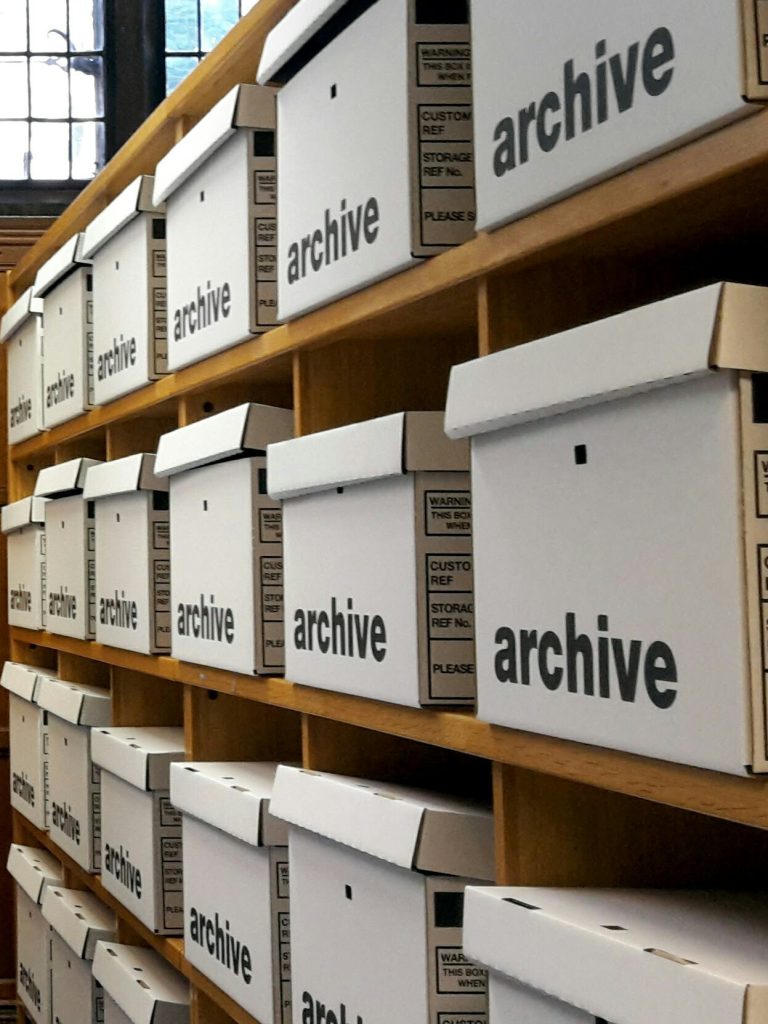
Materials donated to and accepted by the AANZ Archives become part of its repository. Only documents and items that meet the requirements of the Collection Scope within this policy and the Archivist Guidelines will be accepted into the AANZ Archives. Donated items are free of access restrictions unless the contributor stipulates temporary limited access to certain sensitive materials. It is the AANZ Archives policy to protect the personal privacy of the contributor.
It is the AANZ Archives policy to verify, where appropriate and necessary, rightful ownership of materials that are offered to the collection, and to seek title to the donated property. All donors will be required to sign a Deed of Gift Agreement acknowledging their transfer of ownership rights to the AANZ Archives. This Deed of Gift Agreement also includes an assignment of copyright section.
Archival material should not be sent to the General Service Office until confirmed with the archivist. This ensures that materials that are not suitable for the AANZ Archives are not received. Contact the archivist by email at [email protected] if you would like to discuss donating items to the AANZ Archives Collection. See the attached AANZ Archives Deed of Gift Agreement
The AANZ Archives’ acquisition priorities include, but are not limited to:
The AANZ Archives will adopt a Grandparent date of 1975. Materials currently within the Archives prior to 1975 show the establishment and growth of early Alcoholics Anonymous in New Zealand. This means that there will be types of archives that are retained by the Collection that are older than 1975 that we would no longer accept future donations of. These include but are not limited to:
It is the responsibility of the Archives on behalf of the Fellowship to record the oral and written history of Alcoholics Anonymous and to capture the memory of those who came before us. If you are interested in interviewing a member of the Fellowship in order to capture their Oral History for the archives, then please follow the instructions laid out in the document below. If you have any queries, then please email the archivist at [email protected]. See the attached AANZ Archives Oral History Project Process
Materials within the AANZ Archives will be classified according to their privacy requirements. Items that have been classified as A. Open to All or B. Open to A.A. Members will be freely accessible to the members of the Fellowship either physically or digitally. Items that have been classified as C. Open with approval will need to be considered and approved by the HR Sub Committee. Contact the archivist by email at [email protected] if you have a research request or would like to request access to the archives. See the attached AANZ Archives Research and Collection Access Form.
The archivist is responsible for the collection, including documents, books, recordings, and artifacts. The archivist maintains the accuracy of the collection catalogue and ensures the ongoing care of the physical collection of archives. The archivist is also responsible for ensuring the protection of the anonymity of members, and the confidentiality of all A.A. records.
If you have an interest in AA’s history and would like to help as a volunteer in the archives, then please email the archivist at [email protected]. We are always looking for extra help! Working in the archives may include: Digitising paper documents, cataloguing new donated materials, renaming digital files, rehousing new donated materials in archival folders and files, researching AA groups, events, and people, interviewing members of the Fellowship to record their oral history, digitising cassette tapes and naming digital files, and listening to audio files and identifying information (at home project). Full training will be provided by the archivist so please get in touch if any of these sound of interest to you.